Posts

Showing posts with the label Irish folklore

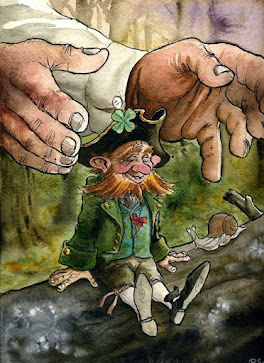
The history of the Leprechaun
Image
  A mythological character from Irish folklore is the leprechaun. The Irish term "leipreachán," which means "a small-bodied guy," is whence the word "leprechaun" originates. Leprechauns are naughty creatures with a penchant for riches and the power to grant wishes, according to folklore. Below is a synopsis of the leprechaun's past: The "Adventure of Fergus son of Léti" manuscript, written in the 17th century, contains the oldest recorded reference to leprechauns. It portrays a diminutive, red-bearded guy who is claimed to be a shoemaker. Leprechauns were frequently shown as short, bearded men sporting green clothing and hats as they gained popularity throughout time. The idea that leprechauns guard a pot of gold at the end of a rainbow is one of the most popular myths about them. According to lore, a leprechaun will give you three wishes in exchange for his release if you manage to catch him. Leprechauns, on the other hand, are extremely elu...

The role of Saint Patrick in Irish folklore

Image
  With numerous myths and stories pertaining to his life and legacy, Saint Patrick is a significant character in Irish folklore. The following are a some of the most well-known Saint Patrick tales: 1. Expelling snakes from Ireland: The most well-known myth about Saint Patrick is that he expelled all snakes from Ireland. The story is frequently seen as a metaphor for the saint's work in converting the Irish to Christianity and purging the nation of paganism, even though it is improbable that there ever were any snakes in Ireland. 2. The shamrock and the Trinity: According to a second well-known Saint Patrick myth, the Irish people were taught about the Holy Trinity by Saint Patrick using the three-leafed clover known as the shamrock. Each leaf of the shamrock, the Father, the Son, and the Holy Spirit, is said to represent a different part of the Trinity. 3. The triumph over the Druids: According to certain legends, Saint Patrick engaged in a spiritual conflict with Ireland's pag...

The role of Saint Patrick in Christian history

Image
       Especially in the history of Ireland and the spread of Christianity across Europe, Saint Patrick is a significant figure in Christian history. Patrick, a Roman Briton who was born in the fourth century, was abducted by Irish pirates and sent to Ireland as a slave. He was held captive for a number of years before he was freed and returned to Britain, where he converted to Christianity.      Patrick returned to Ireland as a missionary in the fifth century after completing his studies to become a priest. He is remembered as the nation's patron saint and is credited with converting most of Ireland to Christianity.      The ministry of Patrick in Ireland was noteworthy for a number of reasons. First of all, he was one of the first missionaries to use Irish as opposed to Latin or other languages to promote the gospel. This made Christianity more approachable and helped Irish people better incorporate it into their culture and traditions...

Irish heritage and culture

Image
Ireland has been passed down through the years with a rich and lively cultural history. The nation's customs, music, dancing, language, and, of course, its cuisine and beverages all reflect this legacy.      Irish Gaelic, the language of Ireland, is among the most significant elements of Irish heritage. Irish Gaelic has a significant presence in the nation and is taught in schools, used in literature, and spoken by numerous communities despite the fact that English is the country's primary language today.      Irish dancing and music play a significant role in the culture of the nation. Irish music and dance are essential to the nation's cultural character, from the dynamic and colorful step dancing to the traditional folk music played on instruments like the fiddle and harp. The folklore of the Irish, which is rich and full of myths, legends, and stories of magic and adventure, is also well known for its storytelling proclivities. Since ancient times, this...